


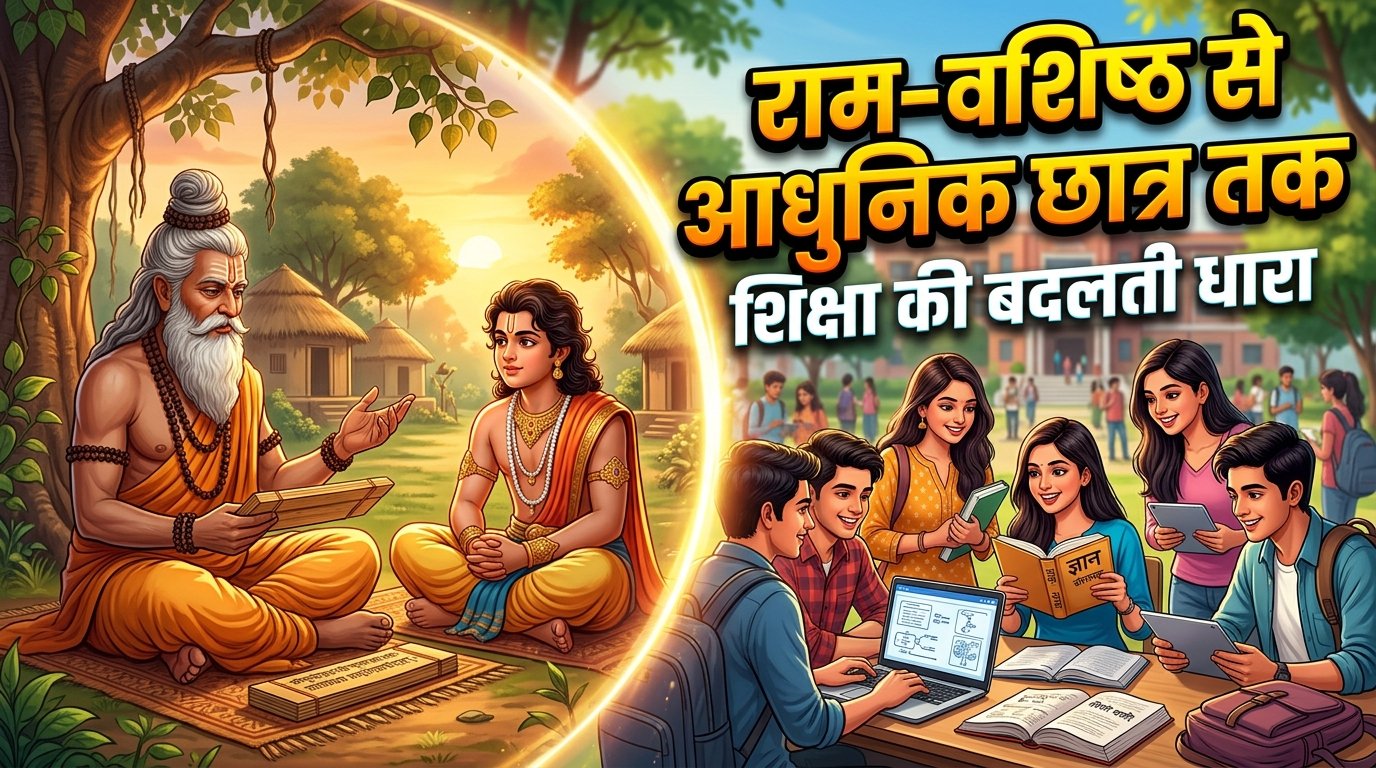
Introduction: Why Yoga Vasistha Self Inquiry Matters for Youth Today
Hey Seeker of Wisdom! The wisdom of Yoga Vasistha is not just ancient philosophy it is a mirror for the modern mind. The Yoga Vasistha Self Inquiry begins not with answers, but with a deep question that every young person silently carries:
“What is the purpose of life?”
In a world filled with social media validation, career pressure, and endless comparison, this question becomes even more relevant.
The dialogue between Prince Rama and Sage Vasistha is not distant mythology—it is your inner conversation.
This is where self inquiry begins.
Why Yoga Vasistha Self Inquiry Speaks Directly to Youth
In today’s world, young minds are more connected than ever—yet often feel deeply disconnected within. You may achieve goals, gain recognition, and still feel something is missing.
This is exactly where Yoga Vasistha becomes powerful. The Yoga Vasistha Birth of Inquiry is not just an ancient dialogue—it is the moment when real questioning begins inside you.
When Prince Rama expresses his inner confusion, Sage Vasistha does not silence him. Instead, he shows that this confusion is the beginning of wisdom.
If you are questioning life, success, or purpose—you are already walking the path of the Yoga Vasistha Birth of Inquiry.
Yoga Vasistha Self Inquiry: Understanding the Shock of Impermanence (Vairagya Prakaran)

Success Is Temporary — A Deep Realization in Yoga Vasistha Self Inquiry
In the Yoga Vasistha Self Inquiry, success is not rejected, but understood as temporary. What you work hard to achieve—marks, career, recognition—can bring satisfaction, but only for a moment. Soon, the mind starts chasing the next goal, creating an endless loop of desire and dissatisfaction.
For youth, this realization is powerful: success is important, but it cannot become your identity. True stability must come from within, not from changing external achievements.
Youth Fades — A Subtle Truth in Yoga Vasistha Self Inquiry
The Yoga Vasistha gently reveals that youth is not permanent—it is a passing phase of life. Energy, beauty, and strength feel constant now, but they are continuously moving toward change.
Understanding this does not create fear—it creates awareness. It encourages youth to focus not only on physical growth but also on mental clarity and inner wisdom, which do not fade with time.
Relationships Change — A Reality Explained in Yoga Vasistha Self Inquiry
In the Yoga Vasistha, relationships are seen as dynamic, not fixed. People evolve, priorities shift, and circumstances transform connections over time.
For youth, this insight removes unnecessary suffering. It teaches you to value relationships deeply, but without clinging or losing yourself, understanding that change is part of every connection.
Life Moves Toward Uncertainty — The Core Teaching of Yoga Vasistha
The Yoga Vasistha highlights that life is inherently uncertain. No plan is fully guaranteed, and no path is completely predictable.
Instead of fearing this, youth can learn to develop adaptability and inner strength. When you stop expecting life to be fixed, you begin to flow with it more intelligently and peacefully.
What This Stage Truly Means for Youth
All these realizations are not signs of negativity—they are signs of awakening.
The Yoga Vasistha Self Inquiry teaches:
When you clearly see impermanence, self inquiry begins naturally.
Yoga Vasistha Self Inquiry: Becoming a True Seeker (Mumukshu Vyavahara)
Why Your Questions Matter in Yoga Vasistha Birth of Inquiry
In the Yoga Vasistha Self Inquiry, Sage Vasistha recognizes Rama’s confusion as something rare and valuable. He does not offer quick answers—he encourages deeper inquiry.
For youth, this is essential to understand:
Feeling Confused Does Not Mean You Are Lost
In the Yoga Yoga Vasistha Self Inquiry, confusion is not treated as a weakness—it is seen as the beginning of awareness. When you feel confused, it often means that the old answers you once believed in no longer satisfy you. The ideas of success, happiness, or identity that society gave you start to feel incomplete. This inner disturbance is not a sign that you are going in the wrong direction; it is a sign that your mind is outgrowing borrowed beliefs. For youth, this is an important turning point—because instead of blindly following the crowd, you begin to pause, reflect, and seek something more real and meaningful.
- It Means You Are Thinking Beyond the Surface
- The Yoga Vasistha shows that true thinking begins when you stop accepting things at face value. When you start questioning—Why am I doing this? What is the purpose behind my actions? What truly brings lasting peace?—you move beyond surface-level living. Most people remain occupied with appearances, achievements, and comparisons, but deeper thinking takes you inward. For youth, this shift is powerful: it transforms life from a race into a journey of understanding. Thinking beyond the surface does not isolate you—it connects you more deeply with reality, because now you are not just living life, you are trying to understand it.
- Self Inquiry Begins with Inner Responsibility –The Yoga Vasistha Birth of Inquiry shifts focus from the outer world to the inner mind. Instead of blaming situations, it encourages you to observe your own thoughts and reactions.
For youth, this means:
-
Not Reacting Instantly to Emotions
In the Yoga Vasistha , one of the first steps toward self inquiry is learning not to react immediately to every emotion. For youth, emotions can feel intense and urgent—anger, excitement, fear, or sadness often push you to act instantly. But immediate reactions are usually driven by habit, not clarity. When you pause, even for a few seconds, you create space between the emotion and your response. In that space, awareness begins. This simple shift helps you avoid unnecessary mistakes and allows you to respond more thoughtfully rather than impulsively.
Understanding Why You Feel What You Feel — The Core of Yoga Vasistha Self Inquiry
The Yoga Vasistha of self Inquiry encourages going deeper than just experiencing emotions—it invites you to understand them. When you feel stressed, jealous, or anxious, instead of ignoring it or reacting blindly, you ask: “Why am I feeling this?” Often, the answer is hidden in expectations, comparisons, or past experiences. For youth, this practice is transformative because it turns emotional confusion into clarity. Instead of being controlled by feelings, you begin to understand their roots, and that understanding naturally reduces their intensity.
Taking Responsibility for Your Mental State Yoga Vasistha Self Inquiry-The Power of Inner Control
A key teaching of the Yoga Vasistha Self Inquiry is that your inner state is ultimately your responsibility. While situations and people may influence you, they do not fully control your thoughts or reactions. For youth, this realization is empowering—it shifts you from feeling like a victim of circumstances to becoming aware of your own inner power. Taking responsibility does not mean blaming yourself; it means recognizing that you have the ability to observe, understand, and gradually reshape your mental patterns. This is where true independence begins.
This is the beginning of true maturity.
The Real Battlefield Is Within
The Yoga Vasistha makes it clear that the real struggle is not with society, competition, or circumstances—it is with the restless mind.
When you begin to observe your mind instead of being controlled by it, self inquiry transforms into inner strength.
Yoga Vasistha Self Inquiry: Understanding the Nature of Reality (Utpatti Prakaran)
Reality Is Not Just External — A Radical Idea of Yoga Vasistha Birth of Inquiry
One of the most powerful teachings of the Yoga Vasistha Birth of Inquiry is that the world you experience is deeply connected to your mind.
Just as dreams feel real while you are dreaming, your waking experience is also shaped by perception, belief, and interpretation.
How Youth Experience This in Daily Life
For youth, this teaching is very practical:
-
The Same Situation Feels Different Depending on Your Mindset Yoga Vasistha Self Inquiry
In the Yoga Vasistha , it is explained that the world you experience is not just what happens outside, but how your mind interprets it. The same situation can feel exciting to one person and stressful to another, simply because their mindset is different. For youth, this is something you experience daily—an exam, a conversation, or a challenge can feel overwhelming or motivating depending on how you look at it. This shows that your mindset is not a small factor; it is the lens through which your entire reality is shaped.
Stress Often Comes from Interpretation, Not Just Reality — A Practical Teaching in Yoga Vasistha Self Inquiry
The Yoga Vasistha teaches that stress is not always created by situations themselves, but by the meaning we attach to them. Two people may face the same problem, yet one remains calm while the other feels anxious. This difference comes from interpretation—how the mind labels and reacts to the situation. For youth, this understanding is very powerful because it shows that stress is not completely unavoidable. By becoming aware of how you interpret events, you can gradually reduce unnecessary pressure and respond more calmly.
Happiness Depends More on Perception Than Circumstance — A Key Realization -Yoga Vasistha Self Inquiry
In the Yoga Vasistha , happiness is not seen as something that comes only from external success or perfect conditions. Instead, it depends largely on how you perceive your life. You may have everything you once wanted and still feel dissatisfied, or you may have very little and still feel content. For youth, this insight changes the way you chase happiness. It shows that lasting peace does not come from controlling every situation, but from developing a balanced and clear perception of life as it is.
This shows that your mind is not just reacting to reality—it is shaping it.
Consciousness Comes First
The Yoga Vasistha y teaches that consciousness is primary, and the world is experienced through it.
This shifts your focus:
Instead of trying to control everything outside, you begin to understand and refine what is inside.
Yoga Vasistha Self Inquiry Why Patterns Keep Repeating (Sthiti Prakaran)
Understanding Mental Patterns Through Yoga Vasistha
The Yoga Vasistha introduces the concept of vasanas, or deep mental impressions. These are formed through repeated thoughts and experiences, and they silently shape your behavior.
How This Affects Youth Today
Youth often experience this as:
-
Overthinking the Same Issues — A Pattern Explained in Yoga Vasistha
In the Yoga Vasistha , the mind is shown to repeat thoughts when it is not clearly understood. For youth, this often appears as overthinking—going over the same problem again and again without reaching a solution. You may replay conversations, worry about outcomes, or imagine worst-case scenarios. This repetition does not bring clarity; it only increases confusion and mental fatigue. The teaching here is simple: when you start observing these thought loops instead of getting trapped in them, their intensity begins to reduce.
Falling into Repeated Emotional Cycles
The Yoga Vasistha self Inquiry explains that emotions also follow patterns. You may notice that certain situations trigger the same feelings repeatedly—stress before exams, frustration in relationships, or self-doubt in challenges. These cycles continue because they are rooted in past impressions and habits. For youth, recognizing this is important, because it shows that these emotions are not always fresh or new—they are often repeated responses. Once you become aware of this pattern, you can begin to respond differently instead of automatically repeating the same cycle.
Reacting in Similar Ways Despite Knowing Better — A Key Observation in Yoga Vasistha
One of the most relatable insights of the Yoga Vasistha Birth of Inquiry is that even when you know what is right, you may still react in the same old ways. You might decide to stay calm, but still get angry. You may plan to stay focused, but still get distracted. This happens because knowledge alone is not enough—deep habits of the mind continue to influence behavior. For youth, this realization removes frustration and guilt. It shows that change is a gradual process, and it begins with awareness, not perfection.
This is not weakness—it is conditioning.
Breaking the Cycle Through Awareness
The Yoga Vasistha explains that these patterns continue because they are unconscious. The moment you begin to observe them clearly, their grip starts weakening.
Bondage is repetition. Freedom begins with awareness.
Yoga Vasistha Self Inquiry The Four Transformations for Youth
By this stage, the Yoga Vasistha offers four deep transformations:
-
You Understand That Life Is Impermanent — A Foundational Realization in Yoga Vasistha Self Inquiry
In the Yoga Vasistha Self Inquiry, one of the first deep realizations is that nothing in life stays the same. Situations change, people evolve, and even your own thoughts and emotions are constantly shifting. For youth, this understanding can feel uncomfortable at first, but it brings clarity. When you accept that everything is temporary, you stop holding on too tightly to outcomes, expectations, or disappointments. This does not make life meaningless—it actually helps you live more consciously, valuing each moment without being overwhelmed by it.
You Begin to Value Questioning — The Beginning of Real Growth
The Yoga Vasistha Self Inquiry shows that questioning is not a sign of confusion, but a sign of growth. When you start asking deeper questions—about purpose, happiness, or your own thoughts—you move beyond simply following what others expect from you. For youth, this is a powerful shift. Instead of accepting ready-made answers from society, you begin to explore your own understanding. This habit of questioning gradually builds clarity and confidence, because your decisions start coming from awareness rather than pressure.
You Realize the Mind Shapes Experience — A Key Insight
According to the Yoga Vasistha, your experience of life is not just created by external events, but by how your mind interprets them. The same situation can feel positive or negative depending on your thoughts and perspective. For youth, this realization is life-changing. It shows that you are not completely controlled by circumstances—you have the ability to change how you experience them. By becoming aware of your thinking patterns, you begin to shift from reacting to life to understanding it more clearly.
You See How Patterns Control Behavior — Awareness
The Yoga Vasistha Self Inquiry explains that much of your behavior is guided by repeated patterns formed over time. These patterns influence how you think, feel, and act, often without your awareness. For youth, this becomes visible when you notice yourself repeating the same mistakes or reactions despite wanting to change. Recognizing these patterns is an important step, because it shows that your actions are not random—they follow a structure. Once you see this clearly, you can begin to slowly break these patterns and respond more consciously.
This is not just knowledge—it is a shift in perception.
Yoga Vasistha Self Inquiry: From Knowing to Awakening
The final message of this stage is subtle but powerful.
The Yoga Vasistha Birth of Inquiry is not asking you to collect more information. It is guiding you to:
-
Observe Your Mind — The First Step
In the Yoga Vasistha Self Inquiry, the journey begins not by changing the world, but by observing the mind. For youth, this means simply noticing what you think, how you react, and what triggers your emotions throughout the day. Most of the time, thoughts run automatically, and we follow them without question. But when you start observing your mind—without judging it—you begin to understand how it works. This awareness creates a small but powerful distance between you and your thoughts, allowing you to respond more consciously instead of reacting blindly.
Reduce Unnecessary Mental Noise — A Practical Teaching
The Yoga Vasistha Self Inquiry teaches that much of our mental activity is unnecessary noise—constant thinking, worrying, comparing, and imagining. For youth, this often comes from overuse of social media, pressure to perform, and endless distractions. This mental noise drains energy and reduces clarity. By becoming aware of which thoughts are useful and which are just repetitive or unhelpful, you can gradually reduce this inner clutter. This does not mean stopping thinking completely—it means creating space for clearer, calmer thinking that actually supports your growth.
Become Aware of Awareness Itself — The Deeper Insight
The Yoga Vasistha ultimately points to a deeper realization—not just observing thoughts, but becoming aware of the awareness that observes them. For youth, this may sound abstract at first, but it is a simple experience. When you notice a thought, there is something within you that is noticing it. That silent presence is awareness itself. As you begin to recognize this, you feel less controlled by thoughts and emotions. You start experiencing a sense of inner stability, where you are not just lost in thinking, but connected to a deeper level of yourself.
This is where true transformation begins.
FAQ: Yoga Vasistha Self Inquiry for Youth

1. What is Yoga Yoga Vasistha Self Inquiry in simple words?
The Yoga Vasistha is the stage where a person begins to question life deeply. It starts when you realize that success, pleasure, and routine do not fully satisfy you. For youth, it means the moment when you stop blindly following and start asking, “What is the real purpose of my life?”
2. Why do I feel empty even after achieving success?
According to the Yoga Vasistha , this feeling comes because external success is temporary. Achievements can give happiness, but only for a short time. When your mind starts looking for something more stable and meaningful, it creates a sense of emptiness. This is not a problem—it is the beginning of deeper understanding.
3. Is feeling confused about life normal for youth?
Yes, and in the Yoga Vasistha , it is seen as a positive sign. Confusion means your mind is moving beyond surface-level thinking. Instead of accepting ready-made answers, you are beginning to explore your own understanding. This is the first step toward clarity.
4. How can I start self inquiry in daily life?
The Yoga Vasistha Self Inquiry suggests simple steps:
- Observe your thoughts without judging
- Pause before reacting to emotions
- Ask yourself why you feel a certain way
For youth, even a few minutes of daily reflection can begin the process of self inquiry.
5. Why do I keep overthinking the same problems?
In the Yoga Vasistha Birth of Inquiry, overthinking is explained as a pattern of the mind. When thoughts are not understood, they repeat themselves. For youth, this happens because the mind tries to find certainty. By observing these thoughts instead of fighting them, their intensity gradually reduces.
6. Can I be happy without controlling everything in life?
Yes. The Yoga Vasistha Birth of Inquiry teaches that happiness depends more on perception than control. Life is uncertain, and trying to control everything creates stress. When you focus on understanding your mind instead of controlling situations, a more stable sense of peace develops.
7. What does it mean that “mind shapes reality”?
In the Yoga Vasistha Birth of Inquiry, this means that your experience of life depends on how you interpret it. The same situation can feel positive or negative depending on your mindset. For youth, this shows that changing your perspective can change how you experience life.
8. How do I stop reacting emotionally all the time?
The Yoga Vasistha Birth of Inquiry suggests starting with awareness. Instead of trying to suppress emotions, notice them. When you pause before reacting, even for a moment, you create space to respond more calmly. Over time, this reduces impulsive reactions.
9. What are mental patterns (vasanas) and how do they affect me?
In the Yoga Vasistha Birth of Inquiry, vasanas are repeated habits of thinking and reacting. They shape your behavior without you realizing it. For youth, this appears as repeating the same mistakes or emotional cycles. Becoming aware of these patterns is the first step to changing them.
10. How do I know if I am on the path of self inquiry?
If you feel:
- Restless despite success
- Confused about purpose
- Curious about deeper truth
Then, according to the Yoga VasisthaSelf Inquiry, you are already on the path. These are not signs of failure—they are signs of awakening.
Conclusion: A Direct Message to Youth
If you feel:
- Restless despite success, Confused about purpose, Curious about deeper truth
Then you are not lost. You are at the beginning of the Yoga Vasistha Self Enquiry. This is not the end of certainty. This is the Ancient Wisdom beginning of awakening.

