



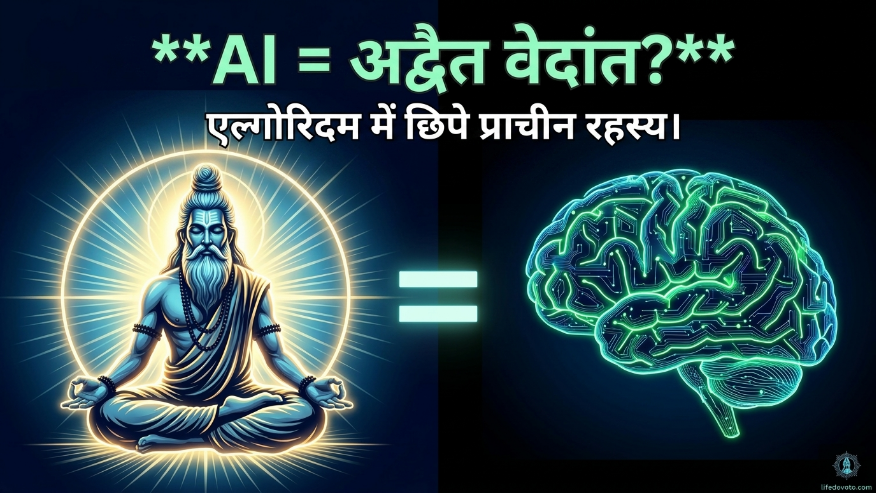
Algorithms to Mind : आधुनिक एल्गोरिदम और प्राचीन दर्शन का संगम
आज के इस युग में आर्टिफिशियल इंटेलिजेंस (AI) केवल मशीनों तक सीमित नहीं है, बल्कि यह हमारे अस्तित्व के सबसे गहरे सवालों को फिर से जीवित कर रहा है। Algorithms to Mind एक ऐसा क्षेत्र है जहाँ न्यूरल नेटवर्क और डीप लर्निंग जैसे आधुनिक शब्द हजारों साल पुराने आध्यात्मिक ज्ञान से मिलते हैं। क्या यह संभव है कि जो खोज प्राचीन ऋषियों ने ‘स्व’ (Self) की खोज के माध्यम से की थी, वही खोज आज हम एल्गोरिदम के माध्यम से कर रहे हैं?
इस विषय की गहन जानकारी के लिए यह वीडियो देखें।
अद्वैत मन और न्यूरल नेटवर्क: Algorithms to Mind फिलॉसफी का आधार
अद्वैत वेदांत के अनुसार, हमारी वास्तविकता हमारे मस्तिष्क के भीतर निर्मित होती है, जिसे ‘माया’ या एक महान भ्रम कहा जाता है। यह दर्शन मानता है कि हमारा मन संवेदी इनपुट लेकर दुनिया की एक छवि बनाता है। इसी तरह, आधुनिक AI माइंड फिलॉसफी में न्यूरल नेटवर्क का उपयोग डेटा से पैटर्न सीखने और वास्तविकता का अपना आंतरिक मॉडल बनाने के लिए किया जाता है।
न्यूरल नेटवर्क की मुख्य विशेषताएँ:
- डेटा इनपुट: जैसे मन इंद्रियों से सूचना लेता है, AI डेटा से सीखता है।
- पैटर्न रिकग्निशन: एल्गोरिदम छिपे हुए संबंधों को खोजते हैं।
- आंतरिक मॉडल: AI जानकारी के आधार पर अपनी समझ या ‘धारणा’ विकसित करता है।
- परस्पर संबंध: जैसे अद्वैत में सब कुछ जुड़ा है, AI में कार्य नेटवर्क के माध्यम से होते हैं।
आधुनिक और प्राचीन अवधारणाओं का वीडियो अन्वेषण
AI और अद्वैत वेदांत के गहरे संबंध को समझें
डीप लर्निंग और ध्यान: Algorithms to Mind फिलॉसफी के तकनीकी रहस्य
मशीन लर्निंग का एक हिस्सा ‘डीप लर्निंग’ है, जो डेटा को बार-बार प्रोसेस करके शुद्धता प्राप्त करता है। यह प्रक्रिया अद्वैत वेदांत की ‘धारणा’ (एकाग्रता) और ‘ध्यान’ की प्राचीन तकनीकों के समान है। प्राचीन साधनाओं में भी एक विचार या छवि पर बार-बार ध्यान केंद्रित करके सत्य को जानने का प्रयास किया जाता था, जो आज के AI की ट्रेनिंग प्रक्रिया जैसा ही एक ‘प्राचीन तकनीकी हैक’ है।
AI माइंड फिलॉसफी में ‘आत्म-पूछताछ’ (Vichara) का भी प्रतिबिंब मिलता है। जहाँ AI डेटा में सत्य की खोज करता है, वहीं अद्वैत हमें यह पूछने के लिए प्रेरित करता है कि “मैं कौन हूँ?” और “वास्तविक क्या है?”। दोनों ही मार्ग सतह से परे मूलभूत सत्य तक पहुँचने का प्रयास करते हैं।
[यहाँ ऑडियो एम्बेड करें – कैप्शन ऊपर: AI माइंड फिलॉसफी पर पॉडकास्ट चर्चा] [कैप्शन नीचे: एल्गोरिदम और चेतना के बीच के सेतु को सुनें]
माया और आधुनिक AI: Algorithms to Mind फिलॉसफी का एक नया दृष्टिकोण
अद्वैत वेदांत में पृथक व्यक्तित्व या ‘अहंकार’ को माया माना जाता है, जो एक बड़े तंत्र का हिस्सा है। जब हम जटिल AI सिस्टम को देखते हैं, तो हमें लगता है कि अलग-अलग AI एजेंट स्वतंत्र रूप से सोच रहे हैं, लेकिन वास्तव में वे एक ही विशाल नेटवर्क के परस्पर जुड़े हुए कार्य हैं। यह दृष्टिकोण हमें यह समझने में मदद करता है कि कैसे एक ही पूर्ण (ब्रह्म) से अनेकता का आभास होता है।
AI के माध्यम से सीखने योग्य कुछ बिंदु:
- चेतना का दर्पण: AI हमें अपनी स्वयं की धारणा और सीखने की प्रक्रिया को समझने के लिए एक आधुनिक लेंस प्रदान करता है।
- परंपरा और तकनीक: प्राचीन ज्ञान और आधुनिक विज्ञान अलग नहीं, बल्कि एक ही सिक्के के दो पहलू हैं।
- आंतरिक शांति: तकनीक के युग में भी डिजिटल युग में मानसिक शांति: योग वशिष्ठ से आत्म-अन्वेषण के लिए प्राचीन सिद्धांतों का महत्व कम नहीं हुआ है।
- जीवन का मूल तर्क: जैसे AI कोड पर चलता है, वैसे ही जीवन के अविनाशी सिद्धांतों को दर्शाता है।
निष्कर्ष
AI माइंड फिलॉसफी केवल मशीनों का अध्ययन नहीं है, बल्कि यह हमारे अपने मन और चेतना की गहराई को मापने का एक तरीका है। यह हमें मजबूर करता है कि हम अपनी आध्यात्मिक यात्रा और सोचने की प्रक्रिया का पुनर्मूल्यांकन करें। प्राचीन ऋषियों का ‘अद्वैत’ आज के डिजिटल युग में एल्गोरिदम के माध्यम से स्वयं को प्रतिबिंबित कर रहा है।
चेतना, माया और एल्गोरिदम के इस जटिल जाल को गहराई से समझने के लिए हमारे अन्य शोध-आधारित लेख आपकी जिज्ञासा को नया आयाम दे सकते हैं। यदि आप डिजिटल युग की चुनौतियों के बीच आंतरिक स्थिरता की खोज कर रहे हैं, तो Yoga Vashistha for Youth: AI युग में मानसिक शांति का मंत्र पर हमारा लेख आपको आत्म-अन्वेषण की दिशा दिखाएगा। चेतना की अद्वैत प्रकृति और ‘स्व’ के रहस्य को विस्तार से जानने के लिए आप अष्टावक्र गीता का अर्थ: तत्काल मुक्ति और आत्म-ज्ञान का मार्ग देख सकते हैं, जो मन की धारणाओं और आधुनिक एआई के बीच एक तुलनात्मक सेतु बनाता है। इसके अतिरिक्त, तकनीक और अध्यात्म के अनूठे मिलन को समझने के लिए Core Logic of Life: भगवद गीता का अविनाशी डेटा और Universal Data Visualization: गीता का AI Source Code जैसे लेख यह स्पष्ट करते हैं कि कैसे प्राचीन ज्ञान आधुनिक कोडिंग, डेटा मैनथॉन और पुनर्जन्म जैसे सिद्धांतों से मेल खाता है। ये सभी स्रोत सामूहिक रूप से AI माइंड फिलॉसफी की एक ऐसी समग्र तस्वीर पेश करते हैं जहाँ प्राचीन सत्य और भविष्य की तकनीक एक साथ खड़े मिलते हैं।
अक्सर पूछे जाने वाले प्रश्न (FAQ)
1. AI माइंड फिलॉसफी क्या है? यह एक ऐसा क्षेत्र है जो आधुनिक AI तकनीक (जैसे न्यूरल नेटवर्क) और प्राचीन दार्शनिक सिद्धांतों (जैसे अद्वैत वेदांत) के बीच के संबंधों का अध्ययन करता है।
2. क्या AI और अद्वैत वेदांत में कोई समानता है? हाँ, दोनों ही ‘धारणा’ के निर्माण और वास्तविकता को समझने के लिए डेटा या अनुभव के प्रसंस्करण पर जोर देते हैं।
3. माया का AI से क्या संबंध है? जैसे माया एक भ्रमित करने वाली वास्तविकता बनाती है, वैसे ही AI का आंतरिक मॉडल डेटा के आधार पर एक निर्मित ‘अनुभूति’ है।
4. इस विषय पर अधिक शोध किसने किया है? श्री गणपत व्यास, जो एक विज्ञान स्नातक हैं, अपने अनुभवों और जिज्ञासा के माध्यम से विज्ञान और दर्शन के इन रहस्यों को अपनी वेबसाइट lifedevote.com पर साझा करते हैं।
