


Table of Contents
ToggleThe Grand Narrative Unveiled: Exploring the 18 Parvas of the Mahabharata
The Mahabharata, a colossal saga resonating through millennia, unfolds across eighteen profound books, known as Parvas. At its heart lies the gripping narrative of two princely lineages – the Kauravas and the Pandavas – locked in a bitter and protracted struggle for the throne of Hastinapur. More than just a tale of royal succession, this epic delves deeply into the lives of these families, chronicling their ambitions, virtues, and flaws. Woven seamlessly throughout this grand tapestry is the pivotal presence of Lord Krishna, whose divine guidance and interventions profoundly shape the destiny of countless characters and the very outcome of this monumental conflict.
A Deep Dive into the Epic’s Structure, Wisdom, and Enduring Legacy
Meta Description: Delve into the intricate structure of the Mahabharata through its 18 distinct Parvas. This guide offers a concise overview of each book, from the genesis of conflict to the philosophical aftermath and spiritual ascent, revealing the profound lessons and narrative arcs that define this colossal Indian epic. Discover the rich tapestry of stories, characters, and wisdom that continues to influence generations.
Keywords: Mahabharata, 18 Parvas, Indian Epic, Dharma, Kurukshetra War, Pandavas, Kauravas, Ancient Wisdom, Hindu Mythology, Spiritual Journey, Epic Literature, Vyasa, Krishna, Kali Yuga, Ethical Teachings, Hindu Scripture.
Featured Image Idea: A visually engaging infographic or scroll-like design illustrating the 18 Parva titles, perhaps with a small, evocative icon or stylized image next to each, depicting its main theme (e.g., a dice for Sabha, a forest for Aranyaka, warriors for Bhishma, books for Shanti).
The Mahabharata, an unparalleled literary and spiritual masterpiece, stands as one of the longest epic poems ever written. Comprising approximately 100,000 verses, known as shatasahasri samhita, it weaves together a profound narrative of family rivalry, devastating war, and eternal philosophical insights. This monumental work is meticulously structured into eighteen principal books, or Parvas, each contributing a unique chapter to the grand saga of the Kauravas and Pandavas. Each Parva, often further divided into numerous sub-parvas, provides a window into the evolving drama, the moral complexities, and the ultimate wisdom distilled from the epic conflict. Beyond the primary eighteen, the Harivamsa Parva serves as a significant supplement, enriching the tale of Lord Krishna.
Let us explore each of these eighteen foundational Parvas, understanding their individual contributions to this timeless narrative.
1. Adi Parva: The Book of Beginnings
As the very first of the eighteen Parvas, the Adi Parva aptly serves as the “Book of Beginning.” This foundational book initiates the epic’s narrative, detailing how the Mahabharata was originally recited by Sauti to rishis at Naimisharanya, and later by Vaisampayana at the Sarpasatra of Janamejaya. Crucially, it meticulously lays out the intricate history and genealogy of the Bharata race, introducing the key characters and the early events that set the stage for the imminent family feud between the Kauravas and the Pandavas.
2. Sabha Parva: The Book of the Assembly Hall
The Sabha Parva, or the “Book of the Assembly Hall,” vividly describes the magnificent palace and court built by Maya Danava for the Pandavas at Indraprastha. It portrays the splendor of courtly life and the celebrated Rajasuya Yajna performed by Yudhisthir, establishing the Pandavas’ burgeoning influence. However, this period of prosperity takes a tragic turn with the fateful game of dice, where Yudhisthir is deceitfully defeated by Duryodhana and Shakuni, leading to the Pandavas’ unjust exile to the forest.
3. Aranyak Parva (Van Parva): The Book of the Forest
Also known as the “Book of the Forest,” the Aranyak Parva details the twelve arduous years the Pandavas spent in exile. Following their devastating loss in the game of dice, they endured numerous hardships and challenges in the wilderness, developing their spiritual and martial skills. This Parva highlights their unwavering commitment to dharma amidst adversity, recounting their various adventures, pilgrimages, and the philosophical wisdom they gathered during this period of forced asceticism.
4. Virata Parva: The Book of Virata
The Virata Parva focuses on the crucial thirteenth year of the Pandavas’ exile, a period they were required to live incognito to avoid another term of banishment. This book narrates their ingenious disguises and service in the court of King Virata. Each Pandava and Draupadi assumes a secret identity, showcasing their adaptability and resilience as they navigate perilous situations, constantly trying to evade discovery while awaiting the end of their exile.
5. Udyoga Parva: The Book of Effort
The Udyoga Parva, or the “Book of Effort,” chronicles the intense diplomatic maneuvers and peace efforts undertaken after the Pandavas successfully completed their thirteen years of exile. With their period of banishment concluded, the Pandavas rightfully sought to reclaim their portion of the kingdom. However, Duryodhana, consumed by greed and hatred, stubbornly refused to return their land, leading to a frantic mobilization of armies and ultimately, the grim preparations for the cataclysmic Kurukshetra War.
6. Bhishma Parva: The Book of Bhishma
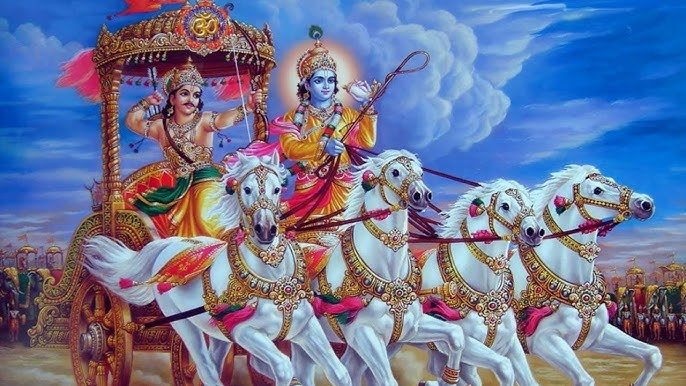
The Bhishma Parva dramatically ushers in the Kurukshetra War itself. This sixth book begins with ominous omens and introduces Bhishma, the revered patriarch and formidable commander of the Kaurava forces. It covers the initial ten days of the devastating battle, culminating in Bhishma’s heroic yet tragic fall. Most significantly, this Parva contains the sacred dialogue of the Bhagavad Gita, where Lord Krishna imparts profound spiritual and philosophical wisdom to Arjuna on the battlefield.
7. Drona Parva: The Book of Drona
Following Bhishma’s incapacitation, Dronacharya, the Pandavas’ former guru, assumes command of the Kaurava army, lending his name to the Drona Parva. This intensely focused book describes the subsequent five days of the Kurukshetra War, detailing many of the fiercest battles and the heroic deeds and tragic deaths of numerous great warriors on both sides. The narrative often condemns Duryodhana’s wickedness, highlighting how his actions perpetuated the bloodshed and led to the ruin of many noble figures.
8. Karna Parva: The Book of Karna
The Karna Parva centers on the enigmatic warrior Karna, who, despite being the Pandavas’ elder brother (born to Kunti before her marriage), aligns himself with Duryodhana. This Parva vividly describes the climactic battles fought with Karna leading the Kaurava forces for two days. It builds to his ultimate and tragic confrontation with Arjuna, a battle steeped in destiny, loyalty, and the devastating consequences of past secrets.
9. Shalya Parva: The Book of Shalya
The Shalya Parva marks the grim conclusion of the eighteen-day Kurukshetra War. With most of the Kaurava commanders fallen, King Shalya takes command for the final day of battle. This Parva meticulously details the last desperate clashes, Balarama’s significant pilgrimage to the fords of the river Saraswati, and culminates in the ferocious mace fight between the mighty Bhima and Duryodhana, which finally ends the war.
10. Sauptika Parva: The Book of the Sleeping Warriors
A chilling and dark chapter, the Sauptika Parva, or the “Book of the Sleeping Warriors,” recounts the vengeful and morally reprehensible night attack carried out by Ashwatthama, Kripacharya, and Kritavarma. These surviving Kaurava allies mercilessly slaughter the unsuspecting, sleeping remnants of the Pandava army, plunging the victorious side into profound grief even after their triumph.
11. Stri Parva: The Book of Women
The Stri Parva, aptly named the “Book of Women,” presents a heart-wrenching portrayal of the immense suffering and grief that follows the war. It powerfully describes how the women of both the Kuru and Pandava clans, including Gandhari, Kunti, and Draupadi, lament the devastating loss of their husbands, sons, and kin on the battleground of Kurukshetra. This Parva serves as a poignant reminder of the universal sorrow and human cost of conflict.
12. Shanti Parva: The Book of Peace
The Shanti Parva is the longest and arguably most philosophical book of the Mahabharata. Following the war’s devastation, Yudhisthira is crowned King of Hastinapura. This Parva comprises extensive instructions and profound discourses delivered by the venerable Bhishma, on his deathbed, to the newly anointed king. Bhishma imparts invaluable wisdom on statecraft, dharma, economics, and politics, offering a blueprint for good governance and emphasizing the paramount importance of peace and righteousness in a fractured world.
13. Anushashana Parva: The Book of Instructions
Continuing the profound ethical and moral teachings, the Anushashana Parva, or the “Book of Instructions,” contains Bhishma’s final, comprehensive guidance (anushasana). He elaborates on the nine essential duties and virtues applicable to all social orders, including the suppression of anger, truthfulness, justice, forgiveness, purity, and the maintenance of dependents. This Parva guides Maharaja Yudhisthira in establishing a kingdom founded on righteous principles and spiritual wisdom.
14. Ashvameghadik Parva: The Book of the Horse Sacrifice
The Ashvameghadik Parva narrates the grand royal ceremony of the Ashvamedha, or “Horse Sacrifice,” performed by Yudhisthira to assert his imperial sovereignty and usher in an era of peace and prosperity after the war. This book also recounts the triumphant world conquest undertaken by the mighty Pandava Arjuna and features the sacred discourse of the Anugita, where Lord Krishna further reinforces spiritual wisdom for Arjuna.
15. Ashramvasik Parva: The Book of the Hermitage
The Ashramvasik Parva provides a moving account of the post-war lives of Dhritarashtra, Gandhari, and Kunti. Choosing to renounce worldly affairs, they retire to a hermitage in the Himalayas, seeking spiritual solace. This book culminates in their poignant deaths in a forest fire, symbolizing their purification and release from earthly attachments. It also highlights the virtuous character of Vidura and reveals Yudhishthira’s sorrow upon learning from Narada about the extinction of the Vrishnis.
16. Musala Parva: The Book of the Clubs
The Musala Parva, or the “Book of the Clubs,” is a tragic chapter detailing the internal strife that plagued the Yadava clan, Lord Krishna’s own lineage. Driven by a curse and their own moral decline, the Yadavas engage in a devastating fratricidal battle using maces (mausala), leading to the complete destruction of their powerful dynasty. This Parva foreshadows the end of an era and the eventual departure of Lord Krishna from the earthly realm.
17. Mahaprasthanika Parva: The Book of the Great Journey
The Mahaprasthanika Parva, the “Book of the Great Journey,” narrates the final earthly pilgrimage of the Pandava brothers and Draupadi. Renouncing their kingdom and all worldly attachments, they embark on a rigorous spiritual journey across the country, aiming for the ultimate spiritual abode. As they ascend the treacherous Himalayas, one by one, each Pandava and Draupadi falls, succumbing to the weight of their past karmas, until only Yudhisthira remains, accompanied by a loyal dog.
18. Svargarohana-parva: The Book of Ascent to Heaven
The Svargarohana-parva, or the “Book of Ascent to Heaven,” concludes the epic saga. This Parva describes Yudhisthira’s final test before entering the spiritual world, where he confronts difficult moral dilemmas and reaffirms his unwavering commitment to dharma. It ultimately narrates the return of the Pandavas and Draupadi to the spiritual realm, achieving their final liberation and peace.
The Harivamsa Parva: A Sacred Supplement
Beyond the eighteen main Parvas, the Harivamsa Parva, also known as the “Book of the Genealogy of Hari,” serves as a crucial supplement or khila to the Mahabharata. This extensive text describes many aspects of Lord Krishna’s life that were not covered in detail within the main narrative, providing rich insights into his divine lineage, early life, and numerous exploits, thus completing the overarching story of the Lord’s earthly presence.
The eighteen Parvas of the Mahabharata, culminating with Krishna’s departure and the Pandavas’ ascent, mark the end of an era and the onset of the Kali Yuga. This is traditionally considered the fourth and final age of mankind, characterized by a gradual decline in virtue and righteousness. The Mahabharata thus stands as an eternal guide, illuminating the path of dharma and reminding humanity of the timeless struggle between good and evil, wisdom and ignorance, that continues to unfold in every age.
