



Introduction to Mahabharat Shanti Parva: The Book of Peace
The Mahabharata, India’s grand epic, culminates in the devastating Kurukshetra War. Yet, the story doesn’t end with the clash of armies. Instead, it transitions into the profound wisdom of the Mahabharat Shanti Parva, the twelfth book, aptly named “The Book of Peace.” This pivotal section offers deep philosophical insights into human existence, governance, and the path to tranquility after immense turmoil. It’s here that the true lessons of the Mahabharata unfold, guiding humanity towards ethical living and leadership.
2. The King’s Burden: Victory and Despair -Mahabharat Shanti Parva-
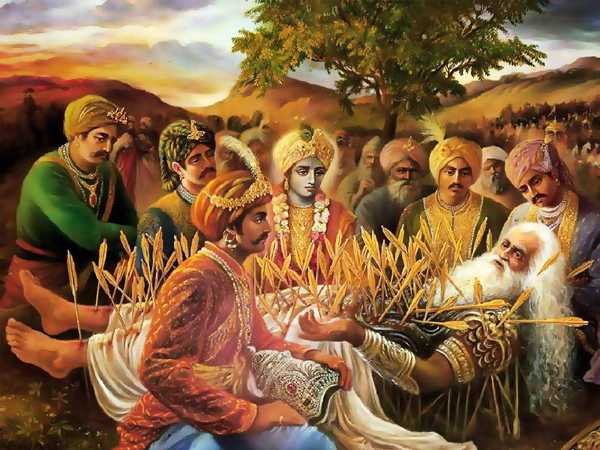
Following the Mahabharata War, the victorious Pandavas face a hollow triumph. Yudhishthira, the eldest Pandava, is consumed by grief and guilt over the catastrophic loss of life, even of his own kin. Despite achieving his rightful throne, he feels the immense burden of kingship and the moral cost of victory. His despair is a central theme, setting the stage for the profound teachings that follow. This struggle highlights the psychological toll of conflict, even for the victor, making the search for peace paramount.
3. Bhishma’s Teaching on Rajadharma: The Ethics of Governance
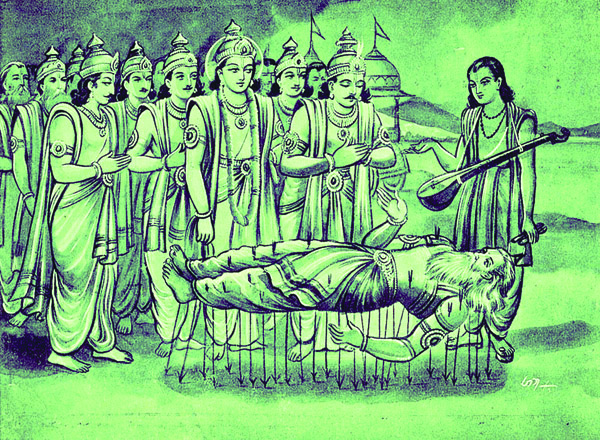
From his bed of arrows, the dying patriarch Bhishma imparts invaluable wisdom to Yudhishthira. A significant portion of the Shanti Parva is dedicated to Rajadharma, the ethical duties and responsibilities of a king. Bhishma’s teachings cover principles of good governance, justice, economic policies, military strategy, and the welfare of the subjects. This section of Shanti Parva serves as an ancient treatise on political science and ethical leadership, emphasizing that power must always be wielded with righteousness (dharma).
4. Apaddharma: Ethics in Times of Crisis-Mahabharat Shanti Parva
The Shanti Parva also delves into Apaddharma, the code of conduct during times of extreme adversity and crisis. Bhishma explains that while adherence to dharma is crucial, certain exceptions or modifications are permissible when survival or the greater good is at stake. This pragmatic approach acknowledges the complexities of life and leadership, providing guidance on how to navigate moral dilemmas without compromising fundamental values. It’s a testament to the adaptability of dharma in challenging circumstances.
5. Mokshadharma: The Path to Spiritual Liberation
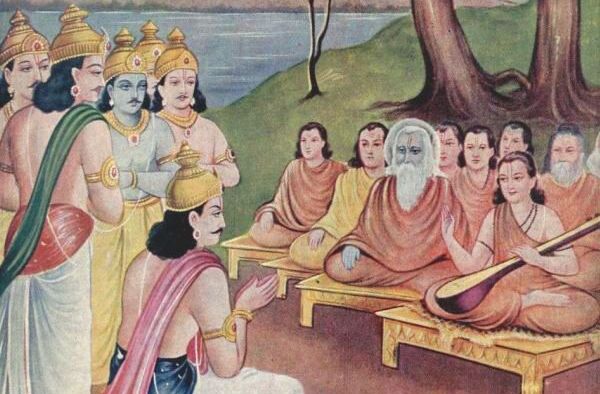
Beyond worldly duties, the Shanti Parva explores Mokshadharma, the path to spiritual liberation and ultimate freedom. Bhishma guides Yudhishthira through discussions on philosophy, self-realization, and the nature of reality. This segment of the Shanti Parva integrates various spiritual schools of thought, including elements of Samkhya philosophy, offering a comprehensive guide to attaining inner peace and transcendence. It teaches that true peace extends beyond the absence of conflict, reaching into the realm of spiritual understanding.
6. The Psychological Healing of Yudhishthira Mahabharat Shanti Parva
The extensive dialogues with Bhishma are crucial for the psychological healing of Yudhishthira. Through these teachings, Yudhishthira gradually comes to terms with his grief, understands the necessity of his duties, and accepts his role as a just ruler. The Shanti Parva chronicles his journey from profound sorrow to a renewed sense of purpose, emphasizing the power of wisdom and guidance in overcoming trauma and leading with integrity. This transformation underscores the narrative’s focus on inner peace.
7. The Significance of Shanti Parva in the Mahabharata
The Shanti Parva stands as a unique and profound section of the Mahabharata. It transitions the epic from a narrative of war to a discourse on peace, justice, and philosophy. Its teachings are not merely historical accounts but timeless principles that address the fundamental questions of human existence and societal order. It solidifies the Mahabharata’s reputation as a comprehensive guide to dharma, making it indispensable for understanding Hindu thought and ethical governance.
8. Lessons for the Modern World: The Peace That Follows War, War That Follows Peace-Mahabharat Shanti Parva
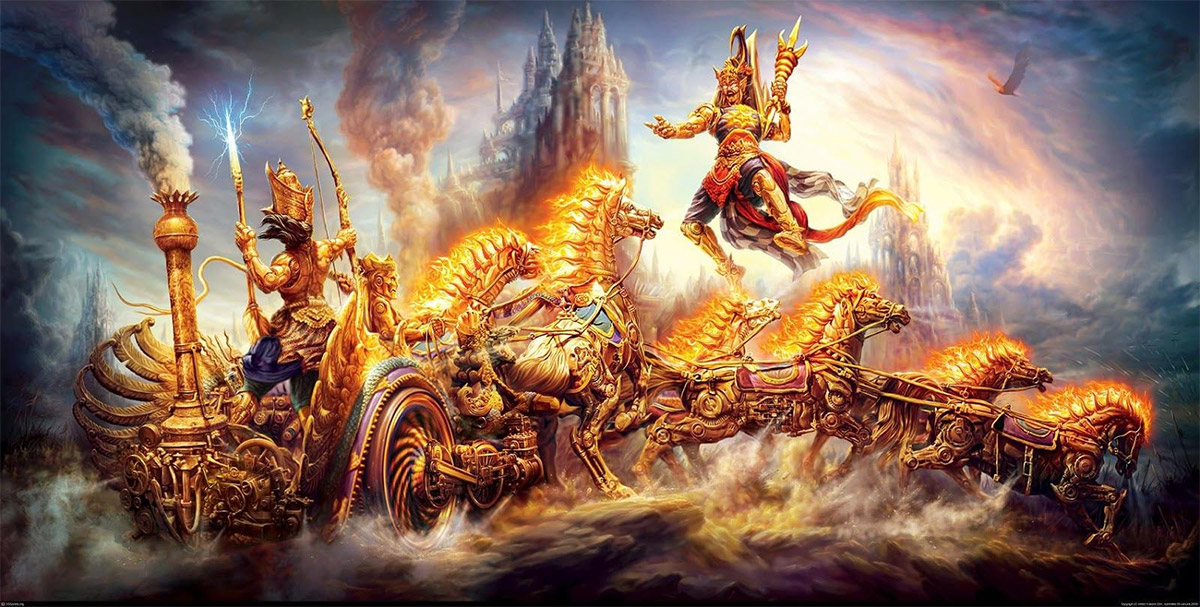

The Shanti Parva’s lessons on Rajadharma, Apaddharma, and Mokshadharma remain remarkably relevant today. In a world constantly grappling with conflict and moral complexities, Bhishma’s teachings offer blueprints for ethical leadership, responsible governance, and fostering societal harmony. It reminds us that true victory lies not just in winning a war, but in establishing a just and peaceful order afterward. The saying, “The Peace That Follows War, War That Follows Peace,” perfectly encapsulates the ongoing human struggle and the enduring need for the wisdom found in the Shanti Parva. It’s a powerful message that peace is not merely the absence of war, but a conscious, continuous effort guided by dharma.
Conclusion: Embracing the Wisdom of Shanti Parva
The Shanti Parva is more than just a chapter in an ancient epic; it’s a profound reservoir of wisdom that guides us toward creating a world grounded in dharma and peace. Its teachings encourage self-reflection, ethical governance, and the pursuit of spiritual liberation, proving that even after the greatest of conflicts, the path to peace and righteousness can be found.
