



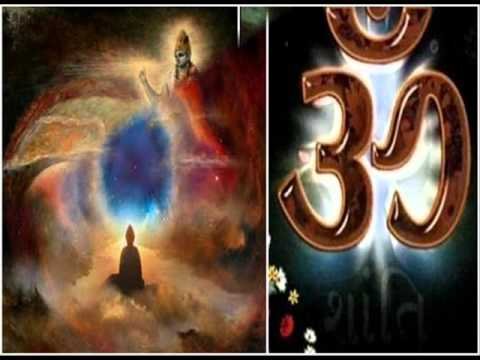
Two Paths to the Divine in Indian Spirituality
Indian spirituality, with its profound depth and incredible diversity, offers myriad pathways to understanding the Ultimate Reality. Among the most fundamental distinctions for seekers is the concept of Sagun Brahman and Nirgun Brahman. These aren’t two different gods, but rather two distinct ways of perceiving and relating to the one, infinite Divine. Understanding this duality is key to appreciating the rich tapestry of devotion, philosophy, and mystical experience within the tradition.
What is Nirgun Brahman? The Formless Absolute
Nirgun Brahman translates to “Brahman without attributes” or the “Formless Absolute.” This concept, prominently articulated in the Upanishads and central to Advaita Vedanta philosophy, describes the Divine as being beyond all qualities, distinctions, and forms.
Imagine pure, unadulterated consciousness, infinite and all-pervading, without beginning or end, beyond time, space, and causation. It cannot be described by words, conceived by the mind, or limited by any characteristic. It is the ultimate reality from which everything emanates, yet it remains untouched by creation. The goal of those who pursue the Nirgun path is often to transcend all illusion (maya) and realize their own identity with this formless, attributeless Absolute. It’s a path of rigorous introspection, meditation, and philosophical inquiry, seeking to dissolve the individual ego into the universal.
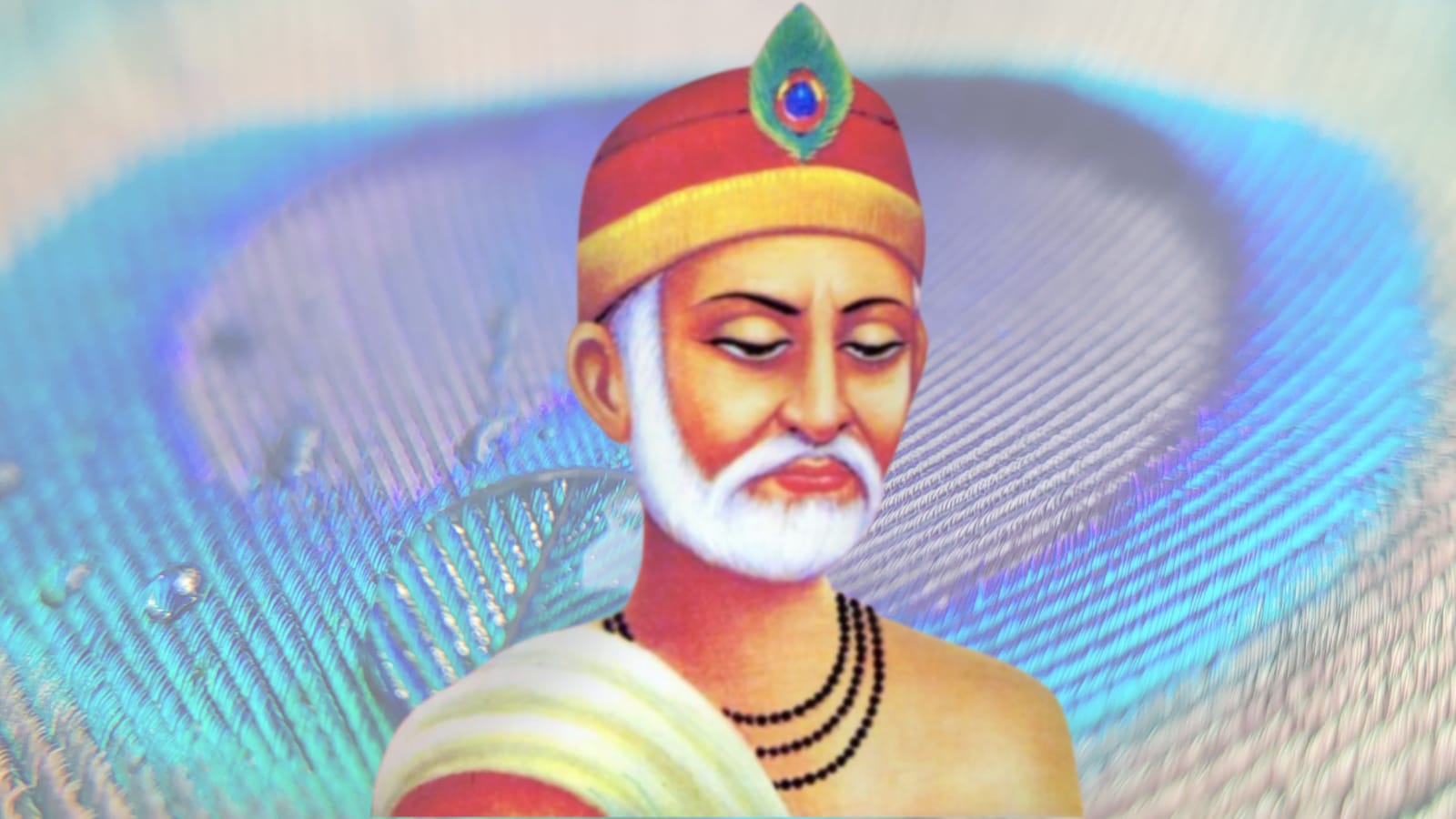
Abstract is everywhere Kabir Mo ko kanhan Dhundhe re Bande
Kabir: The Voice of Nirgun Devotion
Perhaps the most iconic figure representing Nirgun bhakti is the 15th-century mystic poet Kabir. Kabir transcended religious boundaries, often critiquing the superficial rituals of both Hinduism and Islam. His poetry spoke directly to the heart of the formless Divine, emphasizing inner purity, universal love, and the direct experience of God without intermediaries, idols, or external rites.
Kabir’s verses are filled with metaphors that point to the ineffable, often referring to God as “Ram” but clarifying that his “Ram” was not the Rama of Ayodhya, but the all-pervading, formless essence. His teachings resonate with the idea that the Divine resides within one’s own heart, accessible through sincere devotion and self-realization, making his poetry a timeless expression of the Nirgun path.
What is Sagun Brahman? The Divine with Attributes
In stark contrast, yet complementary to, Nirgun Brahman is Sagun Brahman, meaning “Brahman with attributes.” This is the Divine conceived with form, qualities, and personality. It is God as a creator, preserver, and destroyer; as a loving parent, a fierce protector, or a playful friend. Sagun Brahman is the approachable, relatable aspect of the Divine, allowing for a personal relationship through devotion (bhakti).
This path acknowledges the human need for connection, emotion, and tangible focal points for worship. It manifests in the worship of various deities like Vishnu, Shiva, Devi, Krishna, Rama, and countless others, each representing different aspects or energies of the one ultimate reality. Through stories, rituals, hymns, and personal prayer, devotees cultivate a deep, loving bond with their chosen deity, experiencing the Divine not as an abstract concept, but as a living, breathing presence.

Deep attachment with Abstract
Embracing Form: Meera, Surdas, and Radha
The path of Sagun bhakti has given rise to some of the most beautiful and passionate expressions of devotion in Indian history:
- Meera Bai (Meera): The 16th-century Rajput princess, Meera, is a luminous example of Sagun devotion. She considered herself eternally married to Lord Krishna, her beloved “Giridhar Gopal.” Her bhajans (devotional songs) are heart-wrenching expressions of intense personal love, longing, and surrender to Krishna, depicting him with vivid forms and playful attributes. For Meera, Krishna was not an abstract idea but a personal, ever-present reality to whom she dedicated her entire life. Her devotion transcends social norms and time.

- Surdas: A blind poet of the 16th century, Surdas immersed himself completely in the childhood pastimes (leelas) of Krishna in Braj. His vast collection of poems, the Sursagar, paints incredibly detailed and emotionally rich pictures of Krishna’s youthful exploits, his mischievousness, his divine charm, and his loving interactions with his devotees. Surdas’s poetry showcases the beauty of Sagun worship, where every detail of the Divine form becomes a source of immense joy and spiritual ecstasy, allowing millions to visualize and connect with Krishna.
- Radha: Though not a historical figure in the same way as Meera or Surdas, Radha is the quintessential embodiment of pure, selfless Sagun love for Krishna. She represents the soul’s yearning for union with the Divine, the ultimate devotee who experiences the highest form of madhurya-bhava (conjugal love) for God. Radha’s divine love symbolizes the intense emotional and personal connection that defines Sagun bhakti, illustrating how the devotee can experience the Divine as the ultimate lover and beloved.
The Interplay: Form and Formless as Complementary Truths
It’s crucial to understand that Sagun and Nirgun are not in opposition but are often seen as two sides of the same coin, two lenses through which the same ultimate reality can be perceived. Many traditions consider Sagun Brahman as a stepping stone, a more accessible path for the human mind and heart to gradually ascend towards the realization of Nirgun Brahman. The form, in this view, is a compassionate concession to human limitations, a “doorway” through which the formless can be approached.
Ultimately, both paths lead to the same spiritual goal: liberation from suffering and union with the Divine. The choice between Sagun and Nirgun often depends on the individual’s temperament, spiritual inclination, and capacity for abstraction. Indian spirituality celebrates both, recognizing that the infinite nature of Brahman can be experienced in infinite ways – both with and without form.
Keywords for SEO: Sagun Brahman, Nirgun Brahman, Indian spirituality, Kabir, Meera Bai, Surdas, Radha, Bhakti, Upanishads, Advaita Vedanta, formless absolute, personal deity, devotion, spiritual paths, Hindu philosophy.
