


Table of Contents
ToggleIntroduction: Upanishads Explained!
Hey truth-seekers and cosmic questioners! Ever stared at the ceiling, wondering, “Who am I, really?” or “What is all this stuff around me?” Well, guess what? Thousands of years ago, some super-smart ancient Indian sages were asking the EXACT same questions! And their answers are hidden in a collection of texts called the Upanishads – a mind-bending philosophy that’s about to change how you see yourself and the universe! it is what the Upanishads Explained!
The word “Upanishad” literally means “sitting near a teacher,” like getting secret wisdom whispered just for you. These aren’t boring old rules; they’re poetic, deep discussions that skip the rituals and go straight to the core: What is ultimate reality? What is your true self? What happens after life? If you’re ready to dive deep into these mysteries, let’s get the Upanishads Explained!

The Ancient Whispers: Where It All Began with the Vedas
The journey to understanding the Upanishads Explained starts even earlier, with the Vedas. These are the oldest sacred texts from India, written in super old Sanskrit. They’re like humanity’s first big questions about the universe, filled with hymns about natural forces – fire, wind, the sky – but these weren’t just about weather; they symbolized deeper cosmic order and connection!
The Vedas were the beginning of a systematic spiritual inquiry in the East, moving from awe-filled rituals to deep, philosophical questioning. You can already feel the philosophy stirring in those ancient hymns: the search for unity behind all the different things we see, and the intuition that there’s a deeper, unseen reality behind our visible world.
The BIG Question: “Who Am I?” – Upanishads Explained!

The question “Who am I?” is at the very heart of Indian Philosophy. It’s not just about your personality or what you like; it’s a cosmic inquiry! The Upanishadic sages answer by pointing out the difference between what changes and what’s eternal.
You’re not just your body (which changes and ages). You’re not just your mind (which jumps around). You’re not just your emotions (which come and go). Beneath all these shifting layers lies Ātman – your inner Self, the pure awareness that observes everything yet remains untouched by it. This Ātman isn’t your personal ego; it’s pure consciousness itself!
And here’s the radical, mind-blowing part of the Upanishads Explained: this inner Self (Ātman) is IDENTICAL with Brahman, the ultimate reality that fills and sustains the entire universe! Brahman is infinite, formless, beyond time and space – the ground of all existence!
When the sages declare “Tat Tvam Asi” (“Thou art That”), they’re saying that the very essence inside you is not separate from the cosmic whole! So, the question “Who am I?” leads you beyond your individual personality into universality. Self-knowledge becomes cosmic knowledge! To realize Ātman as Brahman is liberation – the recognition that the seeker and the sought are one, and that consciousness itself is the fundamental reality underlying all existence.
- Western philosophy asked: What is reality? What is truth? How do we know?
- Indian philosophy (and the Upanishads) begin with: Who am I?
The profound, revolutionary answer the Upanishads Explained is: Atman is Brahman. The Self within you is identical with the ultimate reality of the cosmos. This isn’t just religion; it’s a metaphysical realization that will make your brain tingle!

What are the Upanishads, Really? Upanishads Explained!
The Upanishads are ancient Indian philosophical texts that are like the grand finale of the Vedas – often called Vedānta (“the end of the Veda”). Written between about 800 and 300 BCE, they mark a huge shift from focusing on rituals to diving deep into inner philosophical questions.
They’re not like modern textbooks with bullet points; they’re poetic and meditative reflections meant to be realized through insight, not just memorized. This is why the Upanishads have profoundly influenced later schools of Indian Philosophy and continue to shape discussions about consciousness and what it means to be you!
They ask deep questions like:
- What is the ground of existence?
- What remains when everything changes?
- What survives death?
Their answer unfolds gradually: the eternal is within!
Brahman: The Ultimate Reality – Upanishads Explained!
In the Upanishadic vision, Brahman is the ultimate, unconditioned reality – the infinite ground from which everything exists and into which it eventually resolves. Brahman isn’t a god with a specific form or personality; it’s the very essence of being itself! It’s described as eternal, limitless, and beyond all qualities, yet it’s also the source of every quality that appears in the world.
The sages describe Brahman in paradoxes: it’s smaller than the smallest and greater than the greatest, beyond thought and speech, yet intimately present in every experience. Brahman isn’t just one object among others; it’s the underlying reality that makes all objects possible! Just as waves come from the ocean without being separate from it, all forms and phenomena come from Brahman without making it less unified. The Upanishads ultimately declare that this absolute reality isn’t far away – it’s identical with your innermost Self (Ātman)! To realize Brahman isn’t to get something new; it’s to awaken to the fundamental truth that existence, consciousness, and fullness are one indivisible reality.
Atman: Your Inner Self – Upanishads Explained!
Ātman refers to your innermost Self – the core of your being that stays constant even as your body, mind, and experiences change. It’s not your ego, your personality, or your social identity, because all those things shift over time. Instead, Ātman is the silent witness, the pure awareness that observes thoughts, emotions, sensations, and actions without being changed by them. When you simply say “I am,” before adding any description – that simple sense of presence points toward Ātman!
The sages guide seekers through a process of negation – neti, neti (“not this, not this”) – to figure out what the Self truly is. Your body changes, so it can’t be the ultimate Self. Thoughts arise and pass, so they aren’t your final identity either. What remains is the witnessing consciousness that lights up all experience. This Ātman is described as unborn, undying, beyond fear and decay. In its deepest realization, the Upanishads proclaim that Ātman is not separate from Brahman, the absolute reality. So, discovering your inner Self is simultaneously discovering the universal ground of existence!

Moksha: The Ultimate Freedom!
Moksha in Indian Philosophy means liberation from ignorance, bondage, and the cycle of birth and death (samsara). It’s not about physically escaping to another world or getting an external reward. It’s a profound transformation of understanding. Liberation happens when you realize the true nature of your Self – no longer identifying with your changing body, fluctuating mind, or limited ego, but recognizing the underlying reality that is free, eternal, and whole!
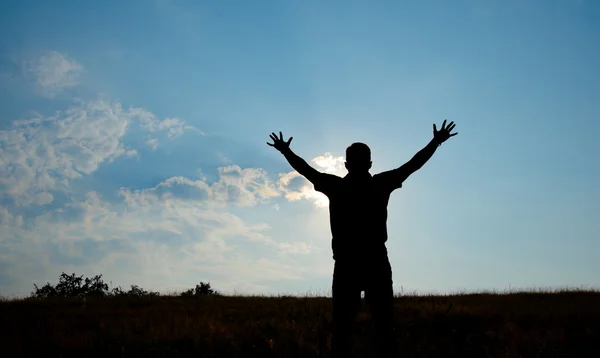
In the Upanishadic vision, Moksha is the direct realization that Ātman is Brahman – that your individual self is not separate from the absolute. Though different philosophies use different words, they all point to the same insight: bondage comes from misunderstanding, and freedom comes from clarity. Moksha isn’t something you acquire; it’s an awakening – the recognition that what you truly are has always been free!
Consciousness as Fundamental Reality
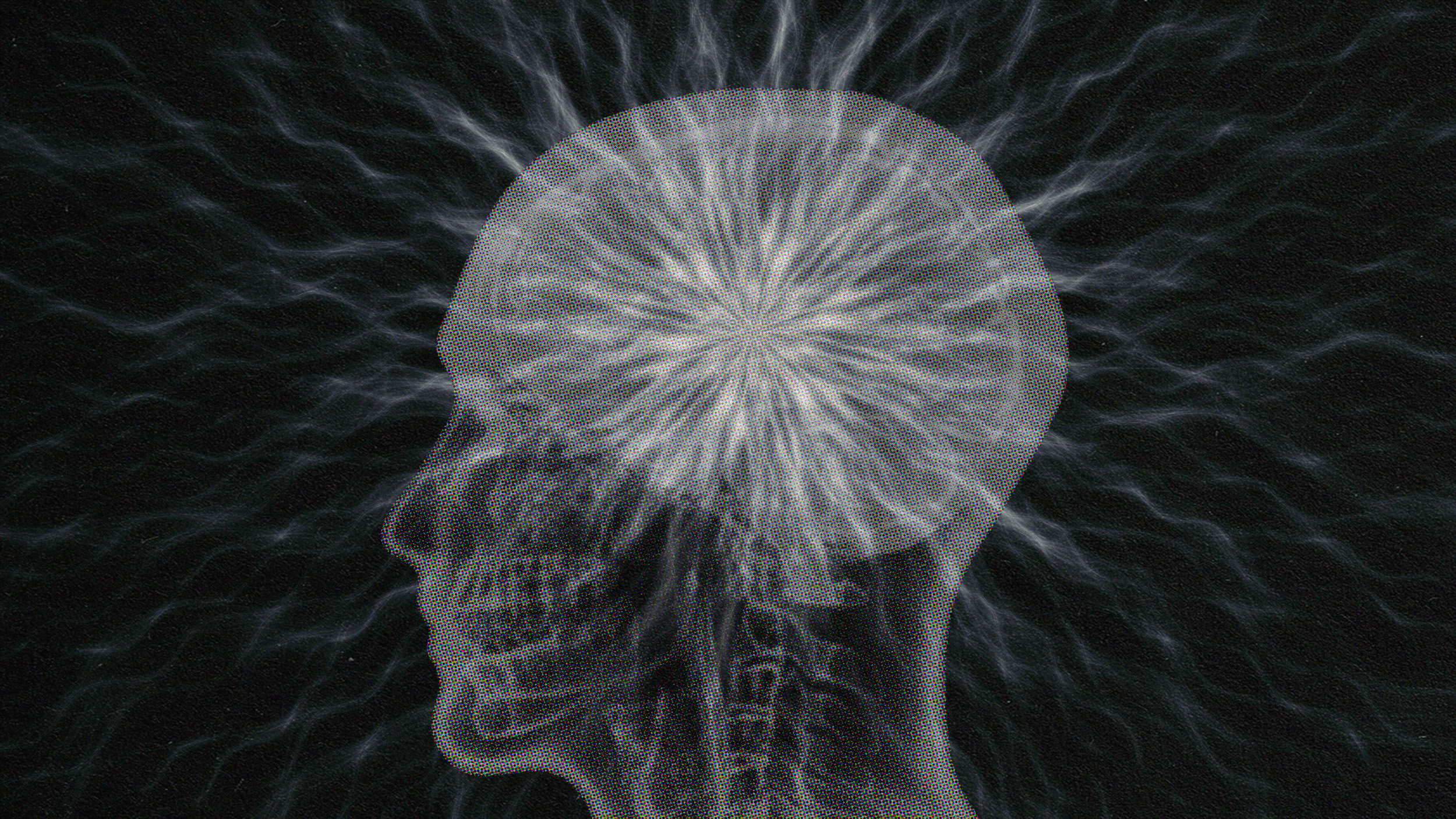
Many Indian Philosophical traditions say that consciousness is the fundamental reality. Instead of thinking consciousness is just a byproduct of your brain, these systems propose that consciousness is the ground from which matter and experience arise. The Upanishads describe Brahman – the absolute reality – as Sat-Chit-Ananda (Being–Consciousness–Bliss), suggesting that awareness is not secondary but intrinsic to existence itself! The world of forms, thoughts, and sensations appears within consciousness, like images on a screen, but the screen itself remains unchanged.
This perspective flips the common idea that your mind comes from physical processes. Instead, it says that what we call “matter” is only known within awareness, so it can’t be more important than awareness itself! Consciousness becomes the condition for all knowledge, perception, and meaning. This shifts the question from “How does matter produce mind?” to “How does consciousness express itself as the world?” In this view, awareness isn’t just a small part of the universe; it’s the luminous field in which the entire universe is revealed! The Upanishads boldly declare: Consciousness is primary. Matter is manifestation. This radical view is even gaining new interest in today’s science!
Ethical Implications: Why Being Good Matters!
If consciousness is fundamental and shared at the deepest level of reality, then ethics (how we should live) isn’t just a social contract or a rule imposed on us – it becomes a natural expression of insight! In the Upanishadic view, if the same Ātman (your inner Self) lives in all beings, then harming another is, in a profound sense, harming yourself. Compassion comes not from obligation but from recognizing this deep unity! When you see that separation is just an appearance, rather than the ultimate truth, empathy becomes natural and spontaneous.
If all beings share the same Ātman, then compassion becomes natural. Violence toward another becomes ignorance. Unity isn’t a moral command – it’s a metaphysical fact! This transforms ethics from a chore into a recognition of truth!
Conclusion: The Sky Within!

“The Sky Within” is a beautiful metaphor for the vast, open nature of consciousness. Just as the outer sky holds clouds, storms, and sunlight without being changed by them, your inner awareness holds thoughts, emotions, memories, and sensations without being disturbed itself. Clouds come and go, yet the sky remains spacious and untouched. Similarly, experiences arise and fade within your awareness, but the witnessing presence remains clear and constant!
The Upanishadic vision stands as one of humanity’s deepest philosophical insights. It declares:
- Behind change — awareness.
- Behind multiplicity — unity.
- Behind fear — immortality.
Heraclitus gave us constant change. Plato gave us eternal Forms. Kant gave us the structure of knowing. The Upanishads give us identity with the Absolute. Tat Tvam Asi.
You are not merely a part of the universe. You are the universe aware of itself! And in that recognition, the river of becoming finds its silent source.
